
Expanding the language of CRISPR.
University of Florida research · Nature Communications, 2023
Programmable RNA detection with CRISPR-Cas12a
Nature Communications · September 5, 2023RNA can reveal which genes are active, how cells respond to their surroundings, or whether a virus is present. Detecting it reliably, however, often requires several molecular steps. In a University of Florida study coauthored by CasNx’s founders, researchers introduced SAHARA, a method that gives CRISPR–Cas12a, an enzyme best known for recognizing DNA, the ability to detect RNA. A short DNA helper and a matching RNA target work together to activate the enzyme, which cuts a separate reporter molecule to produce a measurable fluorescent signal. The study demonstrated detection of short regulatory RNAs and longer RNA targets without first converting them into DNA or amplifying their sequences. These findings point toward the possibility of simpler RNA-testing workflows, with fewer preparatory steps between a target and its detection. More broadly, the work shows how rethinking an enzyme’s molecular partners can uncover capabilities beyond its familiar biological role.
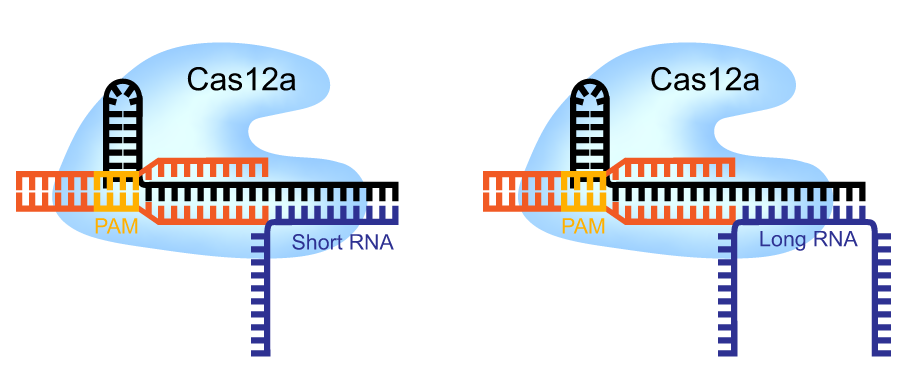
Fig. 3a, detail · Rananaware et al., Nature Communications (2023).
View figure & legend